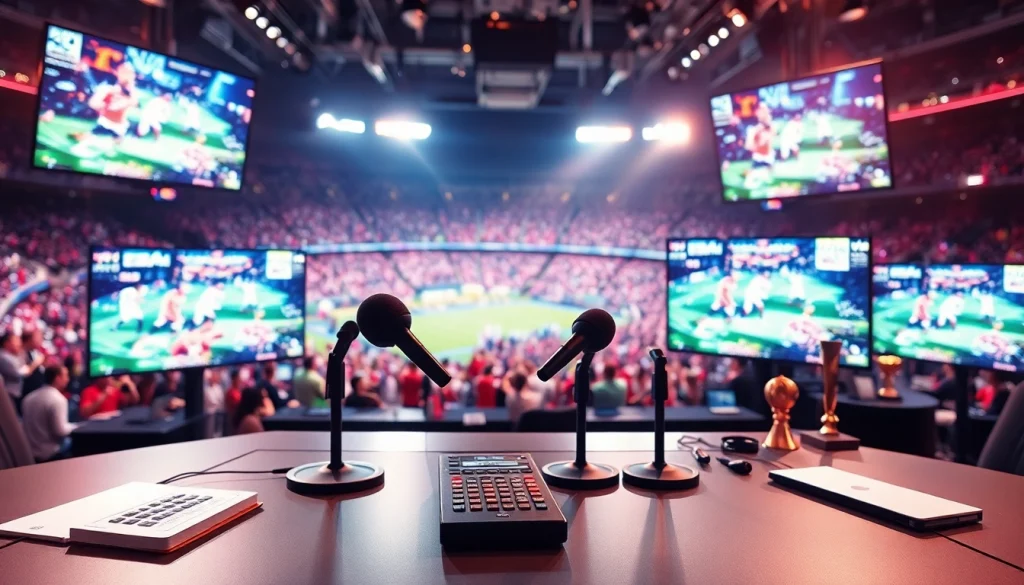

Understanding Sports Broadcasting
Sports Broadcasting has evolved into a vital component of global entertainment, connecting fans with their favorite sports and athletes. Whether it’s live telecasts or digital streams, the way sports are presented has changed dramatically. This article will delve into the intricacies of sports broadcasting, including its history, technology, and effective practices. For anyone looking to dive deeper into Sports Broadcasting, this guide presents a comprehensive overview of essential elements, trends, best practices, and success measurement methods.
What is Sports Broadcasting?
Sports broadcasting is the dissemination of live or recorded sports events via television, radio, or online platforms. It encompasses commentary, analysis, and overall coverage of sports events. The primary goal is to engage viewers and audiences, providing them with an immersive experience that elevates their enjoyment and understanding of the game.
History of Sports Broadcasting
The origins of sports broadcasting date back to the early 20th century, with radio broadcasts of major sports events gaining popularity. As technology advanced, television became the primary medium. Significant milestones include the first televised baseball game in 1939 and the inception of cable sports networks in the 1980s. With the rise of internet streaming in the 2000s, sports broadcasting entered a new era, offering unprecedented access to global audiences.
The Role of Technology in Sports Broadcasting
Technology is at the heart of sports broadcasting, enabling high-quality production and innovative viewing experiences. Developments such as 4K broadcasting, drone camera technology, and virtual reality are redefining how fans interact with sports. These advancements allow for various angles and enhanced graphics, making sports coverage more engaging and dynamic.
Key Elements of Effective Sports Broadcasting
Choosing the Right Equipment
The backbone of any sports broadcast lies in its equipment. High-definition cameras, sound systems, and broadcasting software play a crucial role in delivering quality content. Investment in top-tier equipment ensures clarity and professionalism, which are essential for viewer retention and satisfaction.
Understanding Audience Engagement
Engaging the audience is pivotal in sports broadcasting. Utilizing social media platforms to interact with fans during live games can enhance viewer experience. Polls, live chats, and interactive graphics can generate excitement and keep the audience invested in the broadcast.
Creating Live Game Coverage
Live game coverage requires meticulous planning and execution. Broadcasters need to implement live commentary, expert analysis, and instant replays to keep fans engaged. Ideal coverage combines in-depth analysis and entertainment, connecting viewers with the action as it unfolds.
Trends Shaping the Future of Sports Broadcasting
Rise of Streaming Services
The rise of streaming services has drastically altered the broadcasting landscape. Viewers now prefer on-demand access rather than traditional scheduling. Platforms such as subscription-based services and sports apps provide tailored content to diverse audiences, catering to their specific preferences.
Impact of Social Media
Social media channels are vital for audience interaction and marketing. Platforms like Twitter, Facebook, and Instagram provide opportunities for real-time updates, highlights, and fan engagement. Effective use of social media can drive traffic, increase viewership, and create a loyal fan base.
Innovations in Broadcast Technology
With advancements like augmented reality (AR) and 3D graphics, broadcasters can offer immersive content that enhances viewer engagement. 5G technology will further elevate this trend by providing faster streaming capabilities and real-time data analysis, creating a richer viewing experience.
Best Practices in Sports Broadcasting
Crafting Compelling Narratives
Storytelling is a powerful tool in sports broadcasting. Crafting compelling narratives around players, teams, and events allows broadcasters to connect emotionally with their audience. Highlighting personal stories or challenges faced by athletes can add depth to the broadcast, making the viewing experience more relatable.
Timing and Scheduling Strategies
Effective timing and scheduling can greatly influence viewership numbers. Broadcasters must carefully plan the timing of their shows to coincide with peak viewing hours and ensure alignment with significant sports events, maximizing audience reach.
Maintaining Audience Attention
Maintaining viewer attention during broadcasts requires a mix of engaging content and dynamic presentation styles. Using interactive elements like viewer polls and changing graphics keeps the broadcast fresh and exciting. Engaging commentators who can provide insights and entertain viewers is also essential.
Measuring Success in Sports Broadcasting
Performance Metrics to Track
To evaluate the success of a broadcast, various performance metrics should be analyzed, including viewership numbers, demographic engagement, and audience retention rates. These metrics provide valuable insights that can inform future broadcast strategies and content creation.
Gathering Audience Feedback
Collecting audience feedback through surveys, social media interactions, and viewership analytics is critical in refining broadcasting strategies. Feedback helps broadcasters understand viewer preferences and areas needing improvement, allowing them to evolve and meet audience demands.
Adapting Strategies for Improvement
Continuous improvement is essential in the ever-changing landscape of sports broadcasting. By analyzing performance metrics and audience feedback, broadcasters can adapt their strategies, ensuring they remain relevant and entertaining for their viewers.
Frequently Asked Questions
What is the primary goal of sports broadcasting?
The primary goal of sports broadcasting is to engage viewers by delivering live or recorded sports events, enhancing their experience with commentary and analysis.
How has technology impacted sports broadcasting?
Technology has revolutionized sports broadcasting through high-definition visuals, advanced commentary tools, and interactive features, improving viewer engagement and experience.
Why is audience engagement crucial in sports broadcasting?
Audience engagement is crucial because it helps retain viewers, fosters loyalty, and enhances the overall experience by connecting them more closely to the sport and event.
What metrics should be monitored for sports broadcasts?
Metrics such as viewership numbers, demographic engagement, and retention rates should be monitored to evaluate the success and effectiveness of sports broadcasts.
How can social media enhance sports broadcasting?
Social media enhances sports broadcasting by facilitating real-time updates, fostering direct interaction with fans, and driving traffic to broadcasts, increasing overall engagement.